

Introduction
Music touches our lives in ways words sometimes can’t. A simple beat can lift our spirits, calm our nerves, or even inspire us to dance. Have you ever wondered why a favorite song makes you feel so good? Or why certain tunes motivate you during a workout? Understanding how rhythm and beats affect us reveals their powerful role in shaping moods, motivation, and social bonds. This article explores the science behind music’s emotional pull, how beats influence our actions, and practical ways to use rhythm to boost your well-being.
The Science of Rhythm and Its Impact on the Brain
How the Brain Processes Rhythms and Music
Our brains are wired to process sound quickly. When we listen to music, neural pathways in areas like the auditory cortex light up, helping us interpret rhythm and melody. The cerebellum is also involved, as it helps us keep a beat and coordinate movements. Listening to rhythmic patterns activates multiple brain regions simultaneously, making music a full-brain experience. That’s why music can seem so immersive and affecting.
The Psychological Effects of Different Rhythms
Fast beats tend to energize us. Think of dance music or pounding drumlines — they boost excitement and alertness. In contrast, slow tempos have a calming effect, helping us relax or slip into a peaceful state. These differences in tempo can influence how we feel physically and emotionally, from feeling pumped before a game to unwinding after a long day.
Research Findings Linking Rhythm to Emotions
Studies show that music can change heart rate, cortisol (stress hormone) levels, and mood. For example, listening to soothing melodies can lower stress and anxiety. Music therapy uses this power, helping patients with depression or trauma find relief. Researchers have also found that rhythm influences emotional responses, sometimes even more than lyrics, tapping into the core of how we feel.
How Beats Influence Emotions and Mood
The Connection Between Rhythm and Emotional Responses
A fast, upbeat rhythm can make you feel happy and motivated, while a slow, mellow tune might bring about feelings of sadness or serenity. The connection isn’t just in the tempo; dynamics (loudness), patterns, and accents also shape our emotional reactions. Plus, our personal and cultural backgrounds build associations with certain rhythms, making some music feel comforting or exciting.
Beats as a Tool for Mood Regulation
Want to feel more energized? Play an upbeat playlist with lively beats. Need to relax? Opt for slow, gentle melodies. Music becomes a tool to help you control your emotional state. By choosing music carefully, you can lift your spirits on tough days or find calm when stress is high.
Real-World Examples
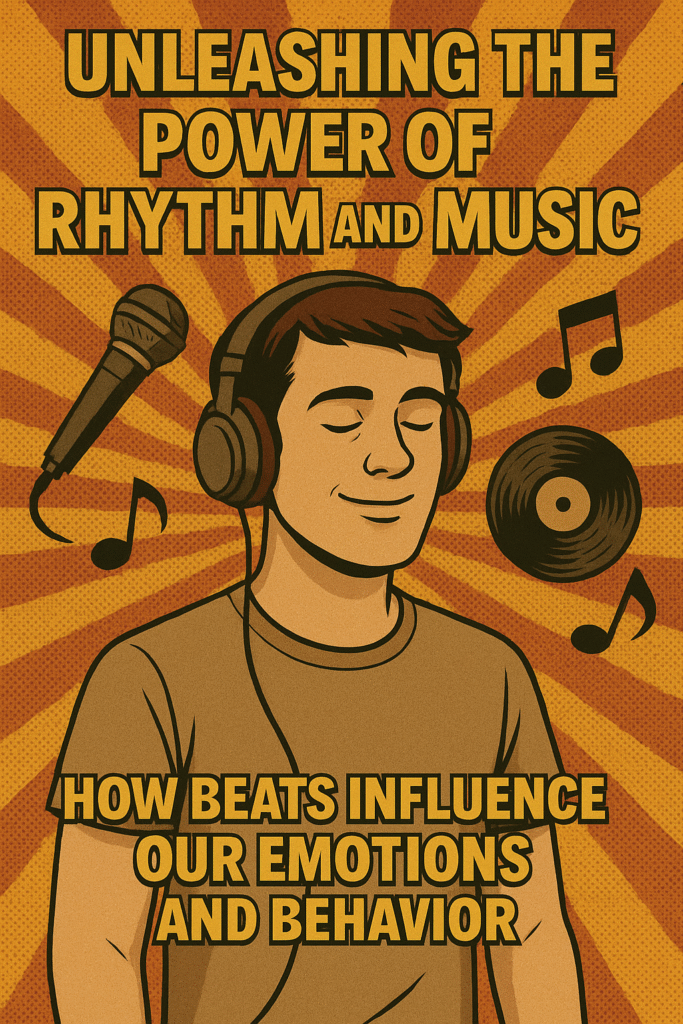
Think of how workout playlists pump you up — beats match your steps or heart rate, boosting performance. Doctors use music therapy to help patients deal with anxiety or recover from trauma. Even in social gatherings, rhythmic music brings people together, creating a sense of unity and shared joy. It’s clear that beats aren’t just sound; they are emotional switches.
The Behavioral Effects of Rhythmic Music
Influence on Movement and Action
Rhythm makes us move. Ever found yourself tapping your foot, dancing, or marching along without thinking? That’s entrainment — our tendency to synchronize with external rhythms. Research shows that people naturally match their movements to a beat, which is why music can motivate physical activity or improve coordination.
Impact on Social Behavior and Group Dynamics
Music has a way of uniting people. In celebrations, festivals, or sports events, rhythmic music fosters cooperation and shared energy. It can break down social barriers and strengthen bonds. When everyone dances together to the same beat, it creates a sense of community and belonging.
Expert Insights
Psychologists tell us that rhythm influences our behavior by tapping into basic human instincts. Neuroscientists note that synchronized movement to music releases feel-good chemicals in the brain, making us more open and cooperative. Rhythm isn’t just entertainment; it’s a social glue.
Practical Applications of Rhythmic Music in Daily Life
Enhancing Productivity and Focus
Listening to certain beats helps sharpen your focus. For example, instrumental music with a steady tempo can block distractions and keep you on task. Many people use background music to boost their work efficiency, especially during intense study or chores.
Promoting Relaxation and Better Sleep
Calm, slow-tempo music relaxes the nervous system and prepares you for sleep. Genres like classical, gentle acoustic, or ambient sounds help slow your breathing and heart rate. Many people include relaxing tunes in evening routines to wind down and improve sleep quality.
Tips for Incorporating Music and Rhythms
Create playlists tailored to your mood or activity. Use apps that suggest music based on your emotional state or goals. When feeling stressed or unmotivated, turn on rhythmic tunes that encourage movement or calm. Making music part of daily routines can boost mental health and physical energy.
Future Directions and Ongoing Research
Emerging technologies are opening new doors for music therapy and brain training. Neurofeedback techniques customize music to each person’s brain responses, increasing effectiveness. Researchers are also exploring how personalized music can prevent stress or improve focus. However, cultural sensitivity remains key — what uplifts one person might not work for another.
Conclusion
Rhythm and beats are powerful tools that shape our feelings and actions in ways we often don’t notice. They influence our moods, motivate our movements, and even strengthen social bonds. By understanding how music affects us, we can choose songs intentionally to boost happiness, reduce stress, or improve performance. The next time you hit play, remember — your playlist has real power. Use it wisely to unlock your full potential.