
Introduction
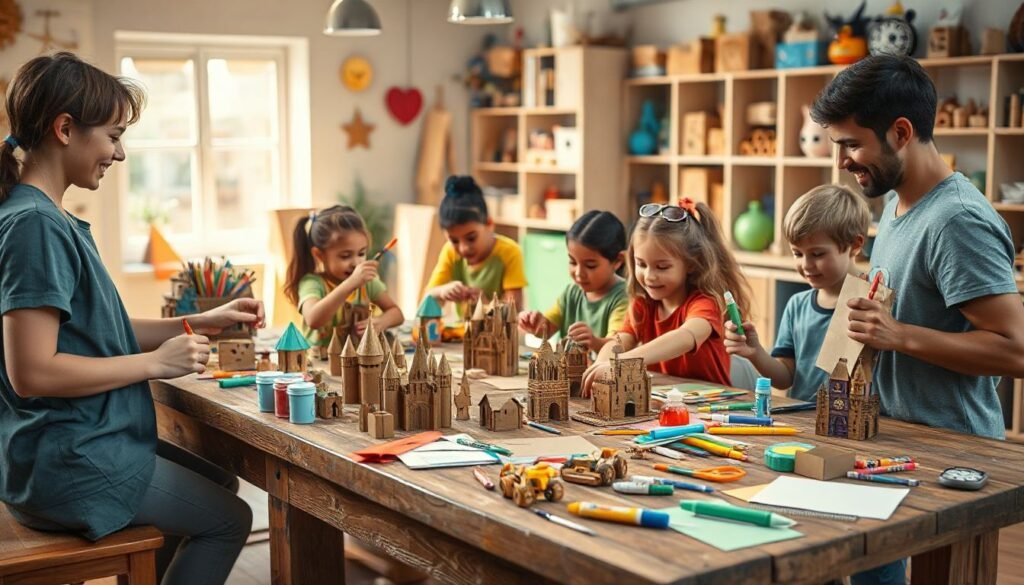
Kids today crave more than just screen time—they want real hands-on fun that sparks their imagination. DIY projects, especially with everyday materials like cardboard, have seen a big comeback in childhood development. Cardboard is affordable, eco-friendly, and offers endless possibilities for building and playing. This guide aims to inspire parents, teachers, and caregivers to see cardboard as a powerful tool for creative toy making and imaginative play. Let’s explore how you can turn a simple box into a world of adventure for kids.
The Benefits of Cardboard Play: Why Choose Cardboard for Creative Toy Making
The Educational and Developmental Advantages
Using cardboard for toys can boost a child’s learning in many ways. Building models helps improve fine motor skills as kids cut, fold, and assemble. It also sharpens their spatial reasoning—like understanding how pieces fit together—and enhances problem-solving. When children design and create, their creativity and imagination grow. Experts say that open-ended play like this encourages cognitive development and helps children become more confident thinkers.
Cost-Effective and Eco-Friendly Aspects
Compared to store-bought toys, cardboard creations save money while offering more fun. A single box can turn into a house, race car, or robot with just a little effort. Plus, recycling old boxes reduces waste and supports sustainability. Several communities now start cardboard toy projects in schools or neighborhood groups, highlighting how eco-conscious play benefits everyone.
Promoting Sustainable and Responsible Play
Choosing cardboard for toys cuts down on plastic waste. It teaches kids that playing responsibly helps protect the environment. When children make their own toys, they learn valuable skills like recycling and reusing materials smartly. Experts agree that this kind of responsible, eco-friendly play fosters awareness and respect for nature from a young age.
Essential Materials and Tools for Cardboard Toy Making
Basic Supplies
Start with simple supplies to kick off your cardboard adventure:
- Types of cardboard: Look for corrugated, single-wall, or recycled boxes.
- Tools: Scissors, box cutters, glue, tape, markers, and paints.
- Extras: Stickers, fabric scraps, beads—whatever sparks kids’ creativity.
Safety Tips and Best Practices
Safety can’t get overlooked. Always supervise children when using sharp tools or glue. Choose non-toxic paints and adhesives to keep everyone safe during play. Set up a clean, organized workspace—and keep scissors and cutters away from the little ones’ fingers.
Inspiration Sources and Templates
Need some guidance? Plenty of websites and books offer free templates and patterns for inspired projects. Use household items like bottle caps for wheels or paper towel rolls as tree trunks. Personalize projects by adding themes from favorite movies or characters—making the experience more fun and meaningful.
Step-by-Step Guide to Creating Imaginative Cardboard Toys
Designing Your Cardboard Play Structures
Start by planning how big or complicated your project should be based on the child’s age. Sketch ideas or gather images of castles, rockets, or cars. Build prototypes from scrap pieces—this helps visualize how the final piece will look and work. Keep it simple at first to ensure safety and durability.
Construction Techniques for Durability and Safety
Cut carefully along straight lines, and reinforce joints with extra tape or glue. For sturdiness, double-layer walls or add internal supports. Use lightweight glue and avoid heavy adhesives that could make the toy unsafe or hard to move. Reinforce areas that might get a lot of wear, like doors or wheels.
Painting and Decorating for Realism and Fun
Bring your creations to life with bright colors. Use non-toxic paints and add textures like fur, glitter, or fabric for realism. Personal touches—name tags, stickers, or characters—make each piece unique and special.
Fun and Engaging Cardboard Play Ideas for All Ages
Classic Toys and Structures
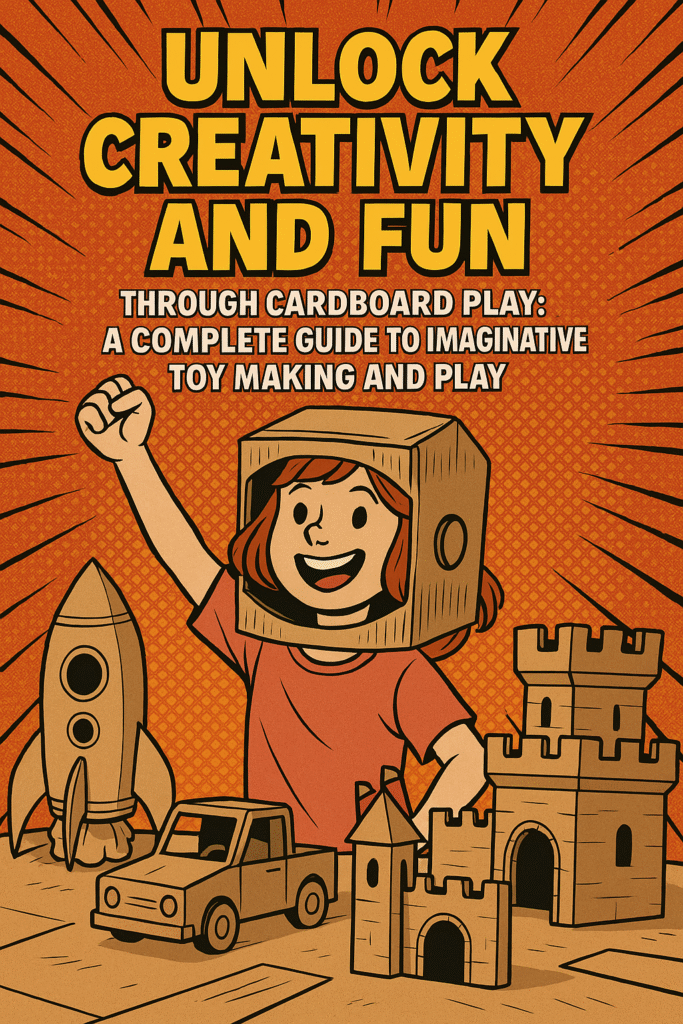
- Castles, dollhouses, or garages built from large boxes.
- Maze games or puzzles you assemble with cutouts and tape.
Creative Role-Playing Sets
- A cardboard café or shop stall.
- Superhero gear like shields, masks, and capes.
Educational and STEM Projects
- Simple robots with movable arms.
- Solar system models or animal figures for science fun.
Organizing Play and Storage
Designate a special area for cardboard adventures. Use boxes as storage containers for finished projects—making cleanup easy and encouraging kids to reuse their creations.
Tips for Facilitating Imaginative Play and Encouraging Creativity
Encourage your children to make believe and tell stories in their handmade worlds. Let them take the lead in designing projects—this builds pride and confidence. Use these activities to teach teamwork, storytelling, and basic problem-solving skills. Creative play isn’t just fun; it’s how children learn to think outside the box.
Real-World Success Stories and Expert Insights
Many schools and community groups have seen amazing results with cardboard play projects. Some have even won awards for inventive designs that blend art, engineering, and eco-awareness. Child development experts say open-ended, unstructured play like this fosters imagination and builds important life skills. Stories from families who started simple projects at home tell of countless joyful moments and newfound skills.
Conclusion
Turning simple cardboard boxes into imaginative toys offers so much more than just fun. It encourages creativity, supports eco-friendly habits, and builds stronger bonds between children and adults. Getting started is easy—just gather some materials, follow basic techniques, and let kids’ imaginations run wild. Make it a weekly tradition to create something new, and watch their confidence and skills grow. Set aside consistent time for DIY cardboard projects—you’ll be surprised by the endless fun and learning that follow.